
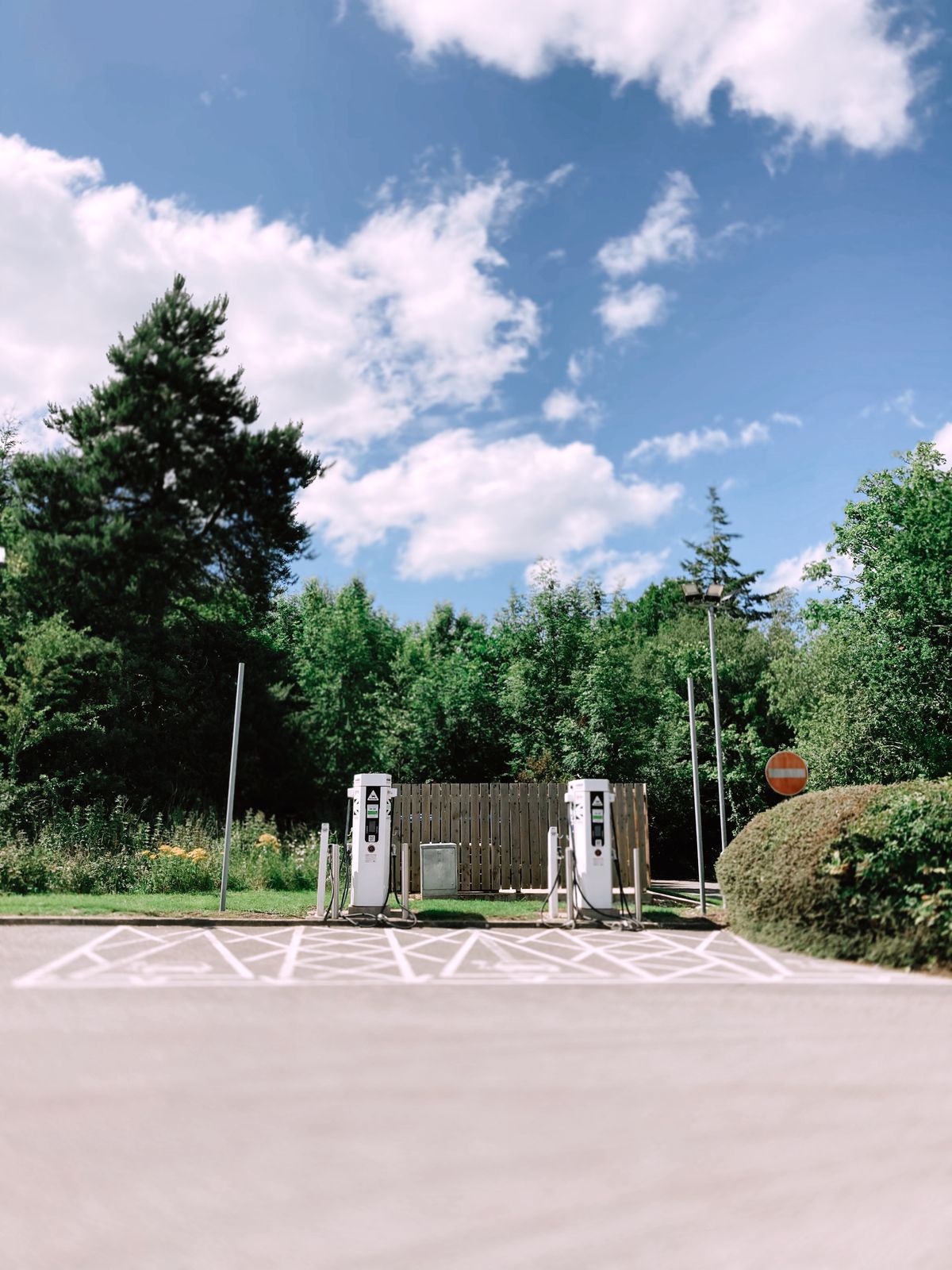
Upon the delivery of an electric vehicle at various commercial dealerships, it is customary to receive a pouch housing an occasional emergency charger featuring a Schuko terminal (the latter being the connector you routinely plug your hairdryer or microwave into). Faced with this, a novice buyer's logical stance is: "Fantastic! I'll temporarily connect it to the domestic garage socket and save on installing that expensive anchored wall device". Does this work?
Convenience and its huge invisible risks
An occasional portable "conventional Shuko" system has been designed—as its name gives away—for eventual urgencies, operating extremely slowly at a ridiculously low power limit out of pure fire safety protocols. Pushing twelve systematic hours day in and day out on this ordinary setup ends up terribly overheating the plastic ends of the main socket until major failure ensues—it is simply not shielded for this demanding thermal durability under stringent ITC garage regulations.
Mandatory Official Solution (The Technical Wallbox)
Mounting an official approved charger on the brickwork, supplied directly through an exclusively routed thick copper wire from your electrical derivations beneath "Class A" differential protection, provides a robust, constant injection 3 times faster, effectively reducing thermal losses over thousands of cycles. Reach out to authorized integrators; skimping on this entails the absolute worst mechanical setbacks for that expensive vehicle you just recently bought.