
A system sized as a whole
We design the panels, inverter, battery, protection and monitoring as one system. Capacity and output are based on how you use energy.
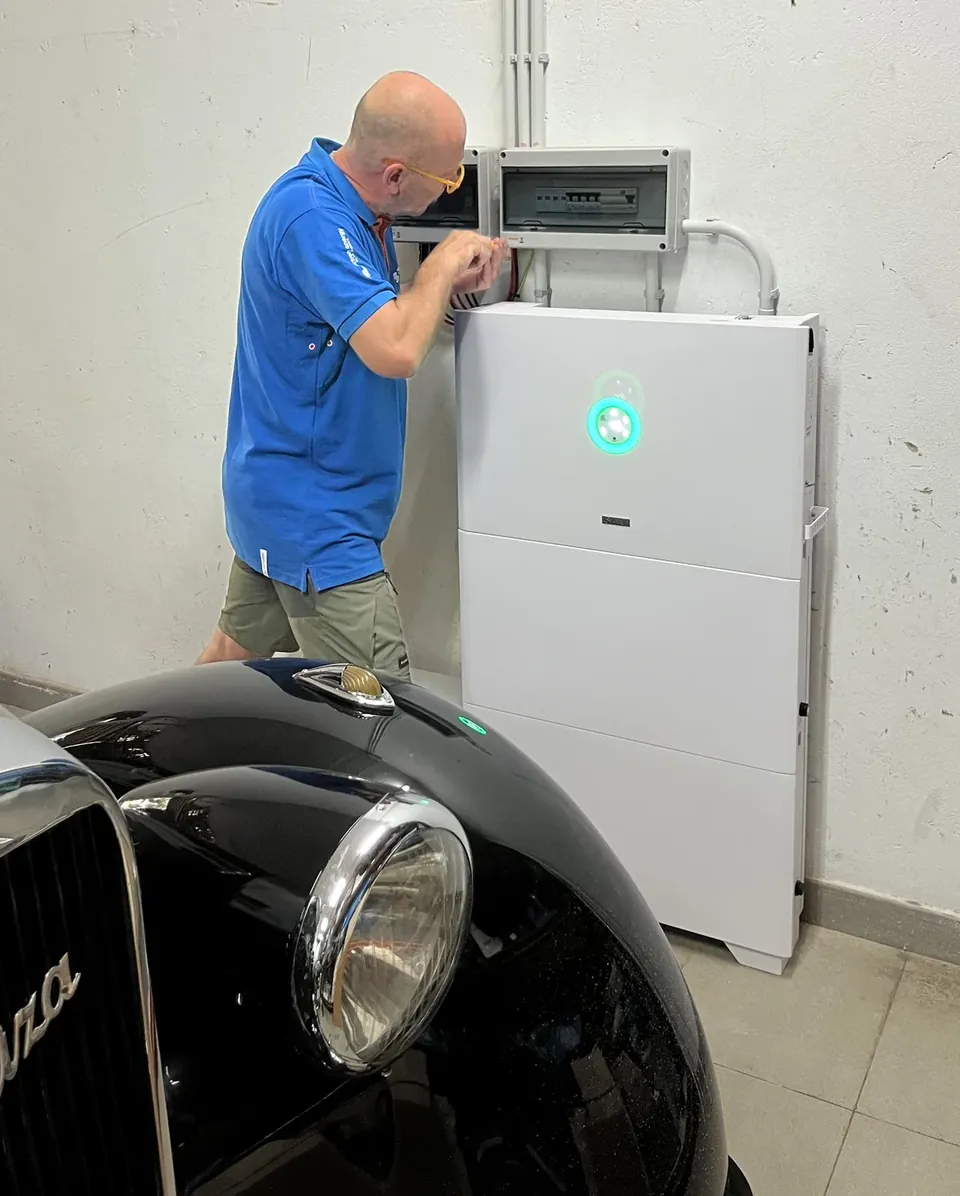
Installation and configuration · Catalonia
Already have solar panels, or planning an installation? We review your consumption, inverter and available space before recommending and configuring a battery for your situation.
Backup during an outage requires compatible equipment and defined circuits; we check this as part of the assessment.
Three scenarios
We design the panels, inverter, battery, protection and monitoring as one system. Capacity and output are based on how you use energy.
We check the inverter make and model, its configuration, the electrical diagram and available space. Depending on the system, it may be possible to keep the existing equipment or make changes.
We define priority circuits and check output, capacity and the transfer system. Backup duration depends on available energy and actual consumption.
What we check before recommending a battery
The initial enquiry helps us understand your situation. We make a recommendation and prepare a proposal after reviewing the required technical information.
Power and capacity, explained simply
kWh indicates how much energy a battery can store and helps estimate how long it can power specific loads. kW indicates how much power it can deliver at once and limits which appliances can run simultaneously.
A sound proposal considers both figures and a realistic list of loads. Backup duration cannot be promised as a fixed figure without knowing consumption.
A battery on its own does not keep a home powered during an outage. The system needs a compatible design, safe separation from the grid and a setup for the selected loads.
How it works
During a grid outage, only circuits included in a backup design can continue to receive power. We verify this before making any claims about backup duration.
Indicative scope
The final scope is tailored to the project and confirmed in the proposal.
Initial review, technical information and compatibility checks.
Capacity, output, equipment, protection, work and exclusions.
Installation, configuration, app setup and backup testing where included in the agreed scope and supported by compatible equipment.
Frequently asked questions
It depends on the inverter, configuration and goal. We check the model, system diagram and available space before recommending whether to keep or change equipment.
Only if the system includes a compatible backup function and is designed for the selected loads. A battery connected for self-consumption does not by itself guarantee power during an outage.
It is calculated from consumption, usage times, solar generation, tariff and backup goals. We do not use one figure for every home.
A physical battery stores energy at home and, with a suitable design, can be part of a backup system. A virtual battery is a commercial billing arrangement; it does not store energy at home or power loads during an outage.
The equipment warranty depends on the manufacturer and model. The proposal identifies the terms that apply to the equipment and the included work separately.
Next step
Tell us whether you already have panels and what you want to achieve: use surplus energy, add a battery or provide backup during outages.
We use this information for an initial review. Before recommending a battery, we will check consumption, existing equipment, photos and the loads you want backed up.