
There is no panel count that fits every home. A sound estimate relates electricity use and timing to the available roof, expected solar output and the electrical characteristics of the equipment. It should explain which data it uses and which assumptions still need checking.
Start with energy use and your goal
Gather bills from several months and, if your distributor provides them, hourly data. Note likely changes: air conditioning, working from home, a heat pump or an electric vehicle can change when electricity is used. Annual consumption describes the overall amount, but it does not show by itself how much power you can use while the panels are generating.
Clarify whether you want to cover part of your demand, increase direct self-consumption or also assess a battery. These are different goals and can lead to different system designs. Matching annual solar generation to annual use does not mean the system will cover your demand at every hour.
Check usable roof area
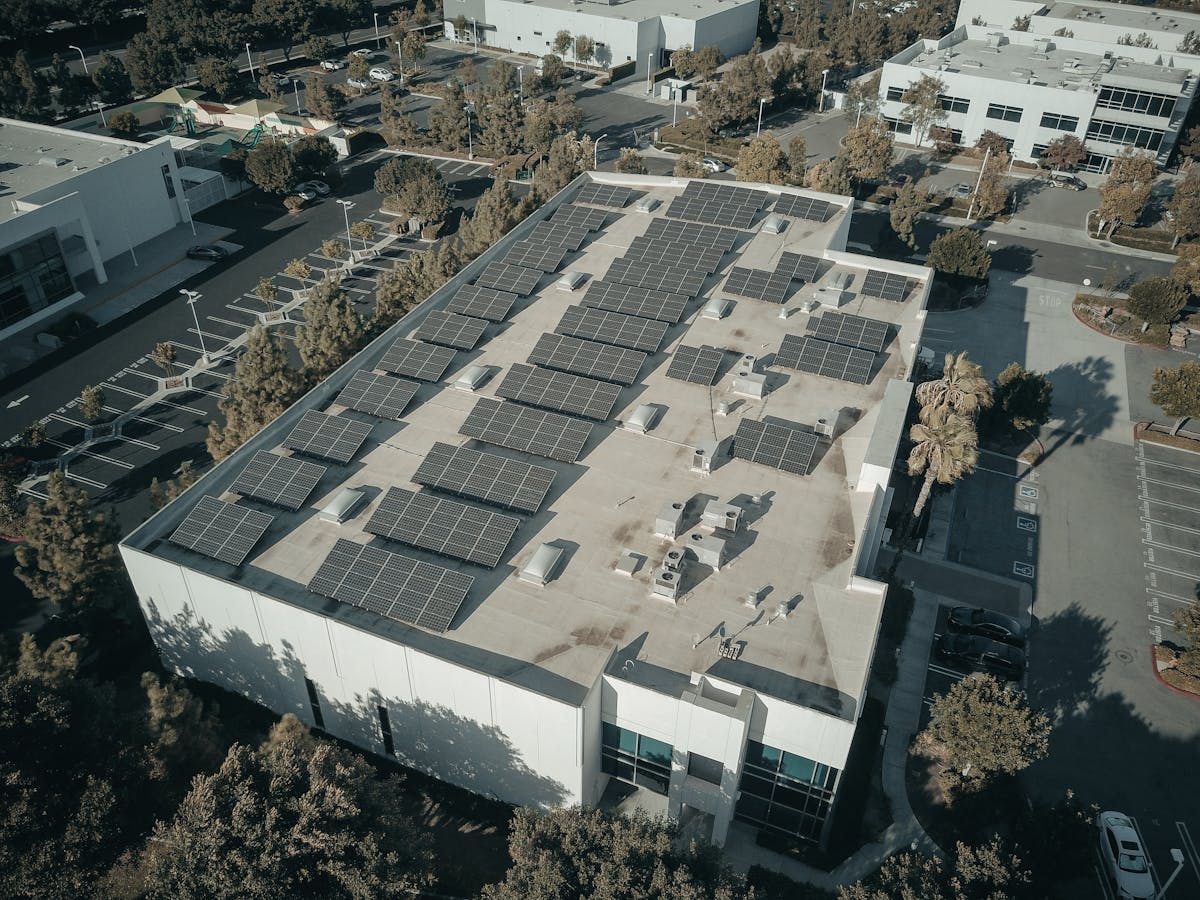
Orientation and tilt affect the generation profile. Chimneys, aerials, trees and nearby buildings may cast shade; roof shape, access routes, areas that must remain clear and the structure's condition also matter. An aerial image can support an initial estimate, but it does not confirm mounting conditions by itself.
Ask the study to show a proposed layout, identify the roof areas counted and explain how shade was considered. Before finalising a design, a professional should check on site the conditions that cannot be verified remotely.
Understand the production estimate
As a conceptual approximation, required PV capacity can be related to the annual generation you want and the estimated yield per kWp at that location. The approximate module count is then the system capacity divided by each module's rated capacity. This helps explain the calculation; it is not a final design. Roof layout, the exact module, electrical configuration and inverter limits can change the feasible result.
The European Commission's PVGIS tool estimates average monthly and annual production for a stated location and configuration. It does not inspect your roof, assess nearby rooftop shade or design the electrical system. Ask for a month-by-month estimate and the assumptions about orientation, losses and installed capacity.
Check that the equipment works as a system
Multiplying module count by a catalogue power rating is not enough. The estimate should name the proposed models and confirm that the modules, inverter, protection and cabling are compatible in the planned configuration. Check dimensions and rated power in the datasheet for the exact model; do not assume another product from the same brand has identical specifications.
Ask how surplus electricity is handled and what share of your use is expected to happen directly during generation. Any export compensation depends on the applicable arrangement and contract; it does not automatically mean every surplus unit is paid at the same rate as electricity you buy.
Compare quotes on the same basis
Give installers the same consumption, roof information and objective. Ask for monthly production, system layout and models, shade assumptions, included and excluded work, protection, warranties and any condition that depends on a site visit. If the estimates differ widely, ask each company which input or assumption explains the gap.
The Spanish IDAE self-consumption guide explains the general concept and links to further process information. Confirm technical and contract details for your own supply with your installer and electricity retailer.
A short checklist for a solar estimate
- Consumption data and bill period; hourly data if available.
- System goal and expected changes to energy-use patterns.
- Roof plan, orientation, tilt, obstructions and shade assumptions.
- Monthly generation estimate with assumptions stated clearly.
- Module, inverter and protection models and configuration.
- Costs, included work, exclusions and warranties listed separately.
Frequently asked questions
Can I calculate the panel count from my bill alone?
A bill helps describe consumption, but not the roof, shade or future usage schedule. It is a starting point; system design needs more data and checks.
Do more panels always mean more savings?
No. The result depends on generation, when you use electricity, roof limits, system design and surplus terms. Ask the proposal to explain the complete scenario.
Will PVGIS tell me how many panels to install?
PVGIS helps estimate output for a location and configuration. It does not inspect your roof or validate electrical design; use it as an initial reference, not a project or guarantee.
You may also find Futurlum's guide on assessing the economics of solar at home and the residential solar service page. Compare modules.
Ask for a proposal that shows where its figures come from and what still needs verification. That lets you compare panel count as part of a complete system, rather than as a claim on its own.