
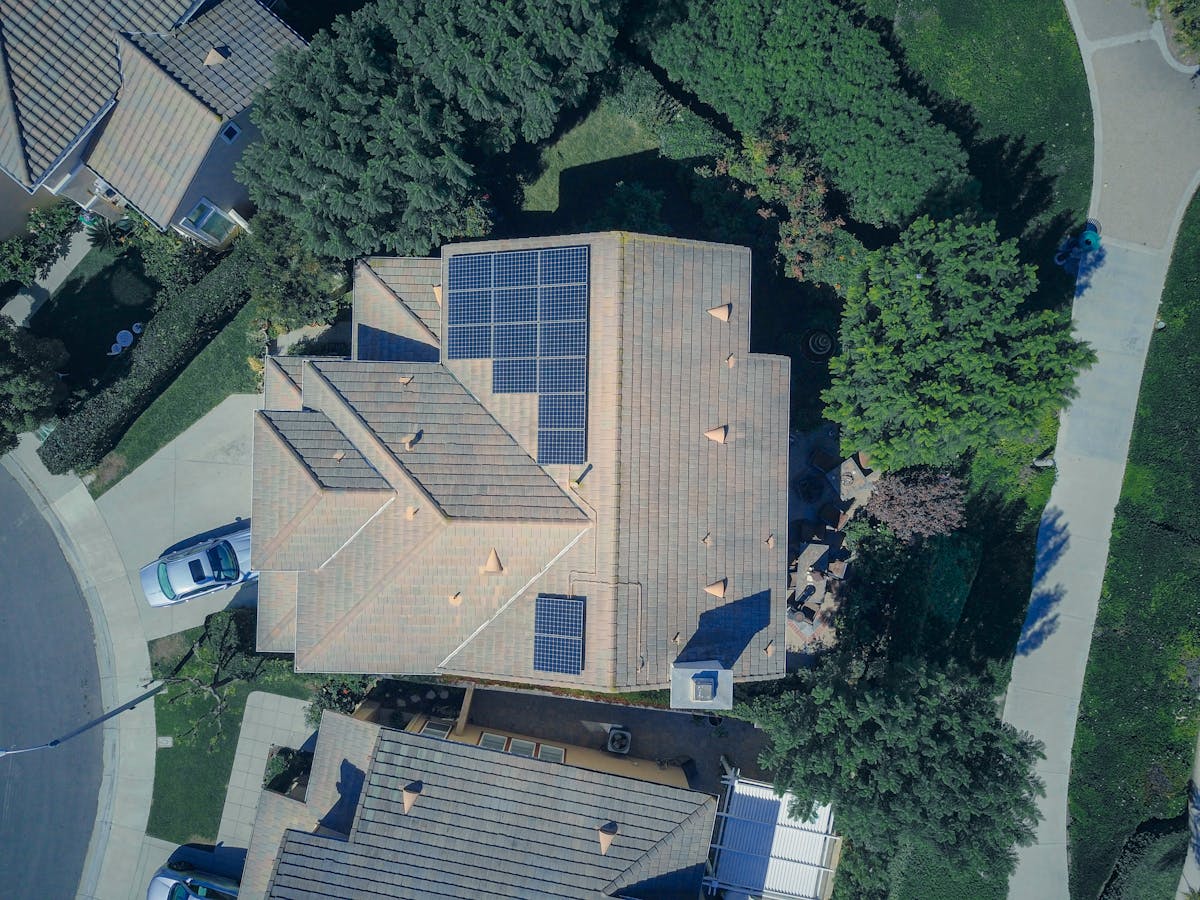
A heat pump and a solar PV system can complement one another: solar electricity can power the heat pump, but the fit depends on when electricity is generated and when heat is needed. Solar output changes by season and time of day, while heating and hot water must follow the equipment design. No combination guarantees a particular bill.
Start with consumption, not rated power
Gather bills and, if available, year-round hourly electricity data. Separate heating, hot water and other uses, and identify the months with the highest demand. A heat pump’s electricity use varies with weather, flow temperature, insulation, heat emitters and settings.
Check what can be shifted
Ask the installer which loads can be scheduled during solar hours and what control the equipment supports. A hot-water tank or the home’s thermal mass may help use energy later if the system is designed for it. Follow manufacturer limits; do not change temperatures based on a savings promise or at the expense of comfort.
Compare whole-system scenarios
Ask for a comparison of the current home and proposed design using winter and summer demand, seasonal performance, available electrical capacity, controls, storage and total installed cost. Separate electricity used immediately from exported surplus: the financial value depends on the contract and current rules. Do not extrapolate one sunny day to the whole year.
Prepare for the technical visit
- Energy bills and an hourly profile, if available.
- Heat-pump, emitter, tank and control models.
- Roof orientation, shading and usable area.
- Comfort, hot-water and EV charging goals.
For the PV part, see our home solar service and guide to estimating how many panels a home needs. Confirm the installer’s scope for each project.
The European Commission notes that PV electricity can power heat pumps and that surplus can be stored, including as heat. See its solar energy in buildings guidance and IDAE’s 2024 self-consumption guide.