
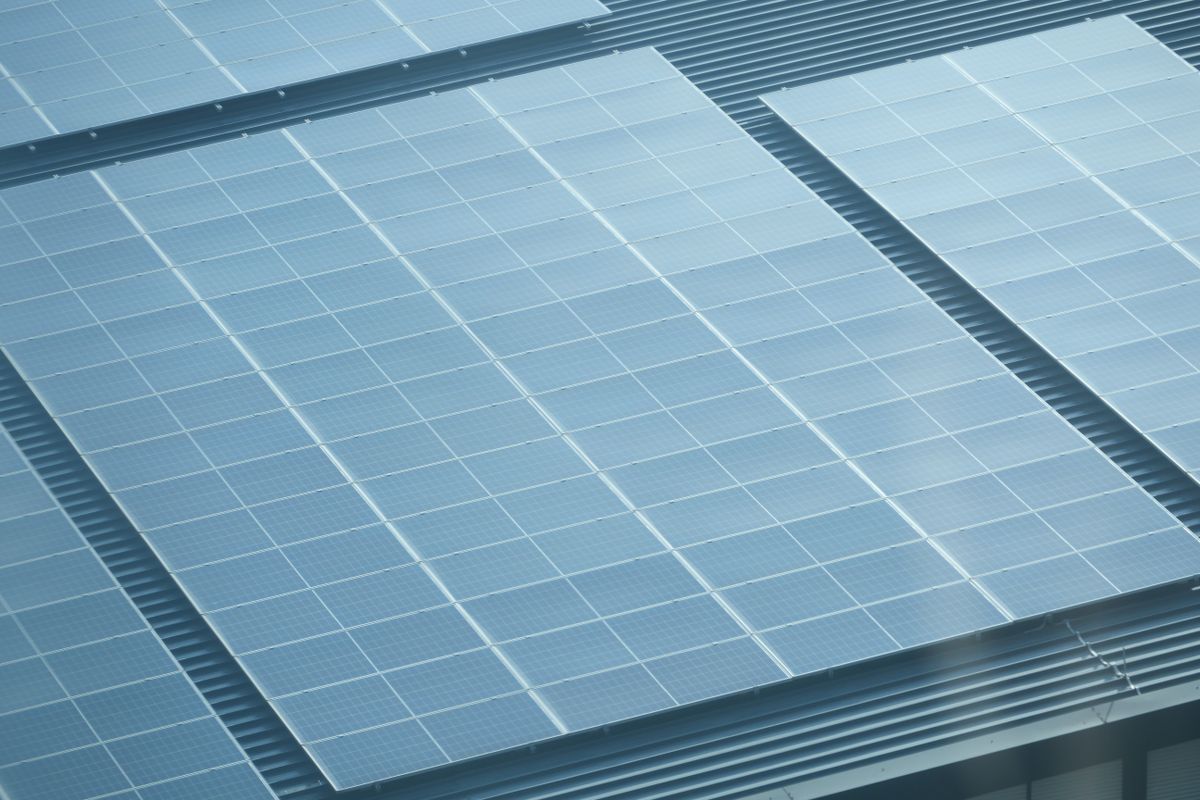
Hail can affect modules, mounting hardware, wiring or electrical components. Damage is not always visible from the ground, and continued energy production does not prove the system is undamaged. Start with safety: do not climb onto the roof.
Keep clear if you see damage
Do not climb onto a wet roof or touch modules, cables or displaced parts. If you see cracked glass, exposed wiring, a burning smell, sparks or electrical faults, keep away and contact a qualified installer. Do not connect or disconnect damaged equipment. Take photos from a safe place and note the storm date.
Arrange a technical inspection
Ask for modules, fixings, wiring and electrical operation to be checked. Share the module model and datasheet. EN/IEC 61215 includes design-qualification tests, including hail testing; results apply to the product and test conditions and do not guarantee resistance to every impact.
Check your insurance policy
Cover depends on the policy, how the installation is declared and exclusions. Ask your insurer about the process and keep photos, the technical report, quote and invoices. Ask whether inspection is required before repair.
Prepare for the installer
- Storm date and affected area.
- Photos from a safe place and symptoms.
- Module model and available documents.
- Production data before and after, if recorded.
In Catalonia, request a solar maintenance inspection. Electrical repairs should be assessed by qualified professionals.
Sources: European Commission Joint Research Centre EN 61215 overview and Spain's Low Voltage Electrotechnical Regulation.